
Rockford, Illinois · Men's health and medical weight loss
Precision hormone care. Real results. No insurance games.
TRT, medical weight loss, and ED treatment from a local PA who listens first. Free 1-hour consultation, transparent monthly pricing, and treatments delivered discreetly to your door.
- No insurance required
- Free 1-hour consultation
- In-clinic or virtual
- Discreet home delivery
Three things we do, and do well.
At EliTest Health we don't just treat symptoms. We help people get their lives back. Our mission is simple: help you feel stronger, healthier, and more vibrant every single day.
- 01TRT
Testosterone Replacement Therapy
Restore energy, confidence, and drive. Injections or creams, $200/month all-inclusive.
- 02Weight loss
Medical Weight Loss
Semaglutide and Tirzepatide programs for men and women, supervised from day one. From $150.
- 03ED care
Erectile Dysfunction
Private, judgment-free treatment that restores performance and intimacy. $100/month.
Simple steps to a better you.
Optimized health and vitality with an easy process and no insurance barriers.
Quick and easy health questionnaire
Answer a few simple questions about your energy, mood, focus, and goals. This helps us understand your needs and design a plan that is built for you, not one size fits all.
Personalized consultation with a provider
Meet virtually or in-clinic with a licensed provider who reviews your symptoms, lifestyle, and lab results if needed. First visits are typically in person for a thorough evaluation. Together, you build a plan tailored to your health and performance.
Start your personalized therapy
Once approved, your treatments ship directly to your doorstep in discreet packaging. No waiting rooms, no pharmacy hassles. Convenient, effective care delivered to you.
Your medication, compounded for you.
Testosterone Cypionate, Semaglutide, and Tirzepatide from reputable local and national compounding pharmacies, shipped to your door in discreet packaging.
Semaglutide is compounded with B vitamins (B12, B6, or B3 depending on formulation). Tirzepatide is compounded with Niacinamide (vitamin B3).
See the treatments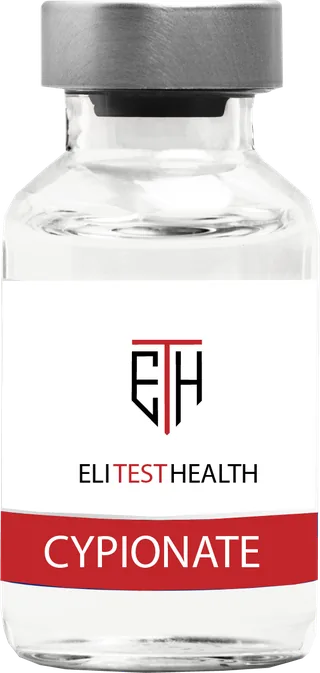 Cypionate
 Semaglutide
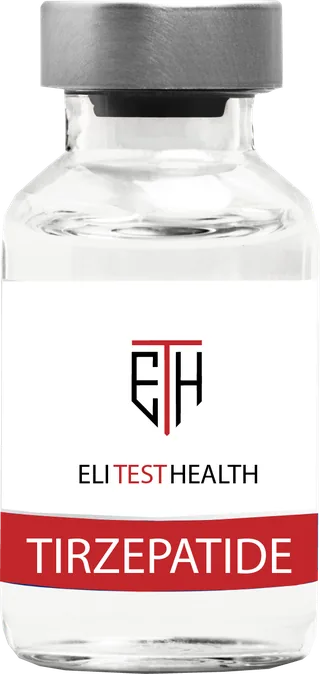 Tirzepatide
Transparent, accessible pricing.
Clear, upfront monthly costs. No hidden fees. Your consultation is free, and billing starts only when your first medication is sent after your labs.
Testosterone Replacement Therapy (TRT)
$200/month
All-inclusive. Everything you need for effective TRT in one simple monthly plan.
- Medications included
- Provider visits covered
- All supplies provided
For men only.
Book your free consultSemaglutide
$150–$200/month
Compounded weekly GLP-1 injections to curb appetite, support steady weight loss, and balance blood sugar.
- Clinically supervised medical weight loss program
- May include B-vitamin support (B3, B6, or B12, formulation varies by pharmacy)
- Personalized dosage adjustments based on your progress
Tirzepatide
$200–$350/month
Dual-action GLP-1/GIP therapy that enhances metabolism, reduces cravings, and accelerates fat loss.
- Clinically guided weight loss treatment plan
- Compounded with Vitamin B3 (Niacinamide) for improved tolerability
- Customized dosing and support for your goals
ED Medications
$100/month
Provider-prescribed treatments to restore performance, confidence, and vitality.
- Tadalafil or Sildenafil prescription options
- Can be combined with TRT for enhanced results
- Discreet, convenient treatment management
Labs billed to insurance or available as low-cost cash pay through a 3rd-party lab of your choice. Discounts: 10% off TRT for active military/veterans, first responders (police/fire), and medical personnel.

Who am I
A local provider who grew up here.
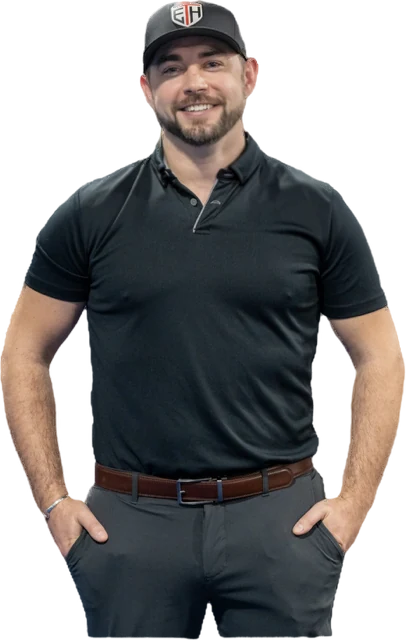
Hi, I'm Nick McKeown, a board-certified Physician Assistant with over five years of experience helping people throughout the Rockford area look, feel, and perform their best.
I've always believed healthcare should be personal, not a quick prescription or a rushed appointment. My goal is to help you understand your body, take control of your health, and feel real, lasting improvement every day.
Meet NickWhat patients and colleagues say.
“I cannot say enough good things about Nick! He is consistently warm, welcoming, attentive, and incredibly knowledgeable. He always takes the time to really listen to concerns and explains everything in a way that makes sense.”
“I've known Nick for 5 years now, and I can genuinely say he is one of the most dedicated, skilled and honest providers out there. He's very personable, kind and patient, making the experience much more comfortable for every patient he sees.”
“As a fellow physician assistant and colleague, I can without a doubt say he is one of the most dedicated and knowledgeable providers I know. His approach is both evidence-based and compassionate.”
“From the moment my husband walked in, he felt heard, respected, and genuinely cared for. Nick took the time to listen to all of my husband's health concerns without rushing him, and most importantly, he took him seriously.”
“I have worked with Nick for 3 years. His clinical knowledge, attention to detail, and genuine compassion consistently result in exceptional patient care. His calm and professional demeanor builds trust with both patients and staff.”
“He has such a great bedside manner. Kind, caring, honest, I could go on and on. He takes his time to get to know patients, most importantly. I would recommend Nick any day.”
Serving Rockford and northern Illinois.
In-clinic at 6723 Weaver Rd, Suite #132, Rockford, or virtual after your first visit. We serve Winnebago and Boone Counties and beyond.
Got questions?
Can I use my insurance for monthly membership fees?
We do not accept insurance. All services are cash-based with transparent pricing and no hidden costs.
Do you offer any discounts?
We proudly offer 10% off TRT to veterans and active military, first responders, and medical personnel.
What is Testosterone Replacement Therapy (TRT)?
TRT is a medical treatment designed to restore testosterone levels in men experiencing low-T symptoms such as fatigue, low libido, weight gain, or reduced focus.
How do I know if I need TRT?
Common signs include low energy, brain fog, mood swings, decreased muscle strength, and poor sleep. A consultation and a simple lab test can confirm whether TRT is right for you.
How does the process work?
Fill out a quick health questionnaire, meet virtually or in person with a licensed provider, and if eligible, your treatments are delivered discreetly to your door.
Are there contracts?
No contracts, no obligations, no strings. Cancel anytime with no penalties or hidden fees.
Get your free consultation today
Take the first step toward feeling your best. Schedule your free 1-hour consultation and discover a personalized plan designed for your goals. No pressure, no insurance needed, just expert care.
Or use the red button in the corner to ask a question first.